
Paul Verlaine
French poet, writer, and critic.
He was born in Metz to a petit-bourgeois family. His relationship with the younger poet Arthur Rimbaud—ten years his junior and under eighteen, while Verlaine had a wife and infant son—caused major scandal. Both were members of the Zutistes. Following a trial, Verlaine spent two years in prison for battery and sodomy. While incarcerated, he returned to Catholicism and wrote *Sagesse* (published 1880), *Jadis et naguère* (1884), and *Parallèlement* (1889). He died in Paris from acute pneumonia.
- died
- 8 January 1896, Paris, France
- field
- Poetry, writing, criticism
- nationality
- French
Lore & Background
Verlaine was born in Metz. Following trial, Verlaine was sentenced to two years in prison for wounding Rimbaud with a revolver. During his sentence, he reverted to practising Catholicism and substantially composed *Sagesse* (published 1880); his later collections *Jadis et naguère* (published 1884) and *Parallèlement* (published 1889) were written and published after his release. After his release, Verlaine taught in England and later in France, where he fell in love with a pupil, Lucien Létinois, who died of typhus in 1883. Verlaine's last years saw descent into drug addiction, alcoholism, and poverty, though his reputation grew. He died in Paris from acute pneumonia on 8 January 1896.
Reader's Guide
Verlaine's significance lies in his influence on French and international poetry as a leading figure of the fin de siècle. His work is tied to the Symbolist, Parnassianist, and Decadent movements. His early work showed a focus on musicality, fluidity, wordplay, multiple meanings, and manipulation of prosody. Critics have noted themes of melancholy and chiaroscuro, as well as his innovative use of metaphor and allegory. Many composers set Verlaine's poetry to music, among them Claude Debussy, Gabriel Fauré, and Maurice Ravel.
Did You Know?
- Verlaine was born at 2 rue de la Haute-Pierre in Metz, Grand Est, to devout Catholics Nicolas-Auguste Verlaine and Élisa-Stéphanie Dehée, who had been married thirteen years and had three miscarriages before him.
- Verlaine married Mathilde Sophie Marie Mauté de Fleurville on 11 August 1870 at Notre-Dame de Clignancourt; she was also a writer.
Gallery
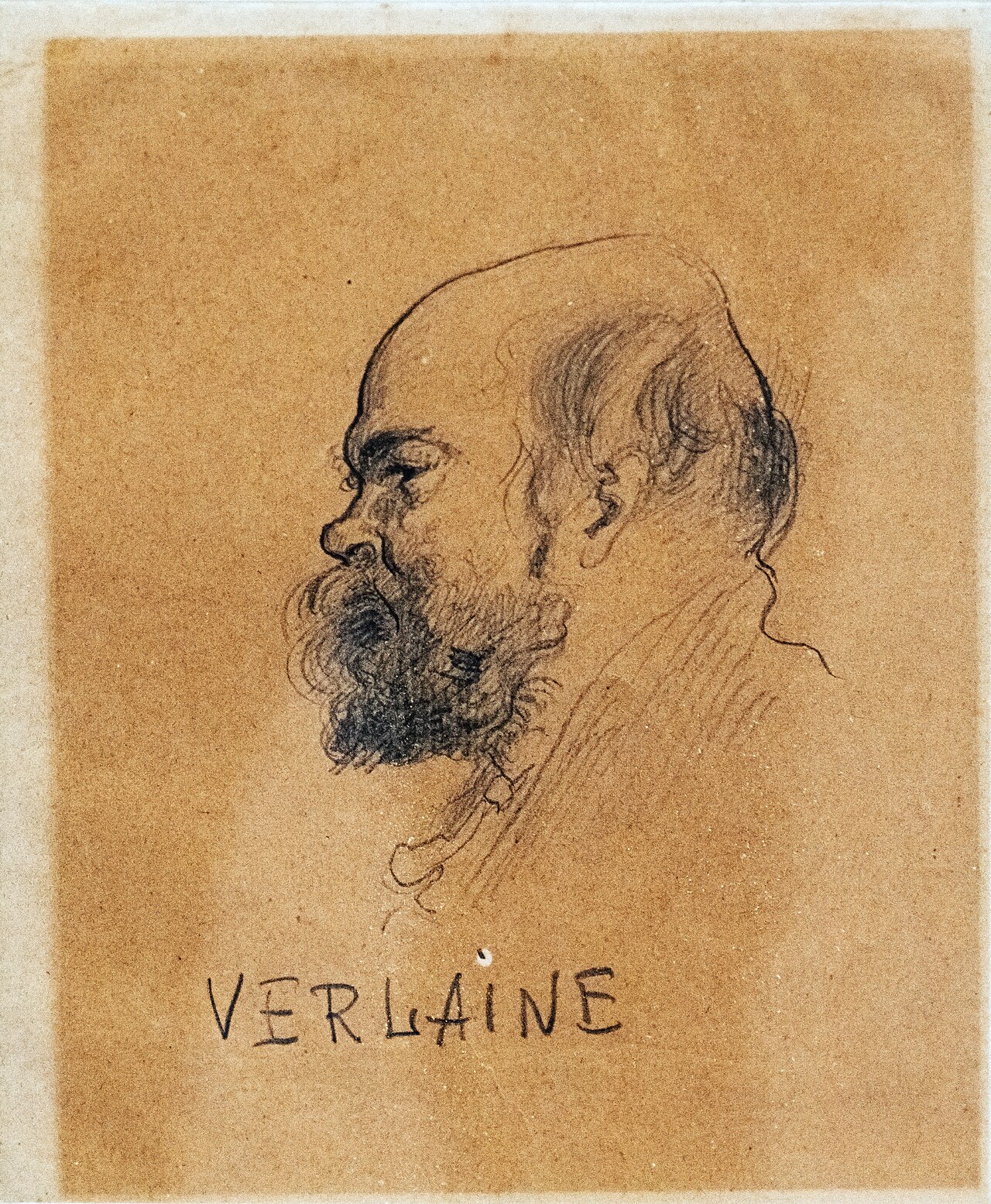
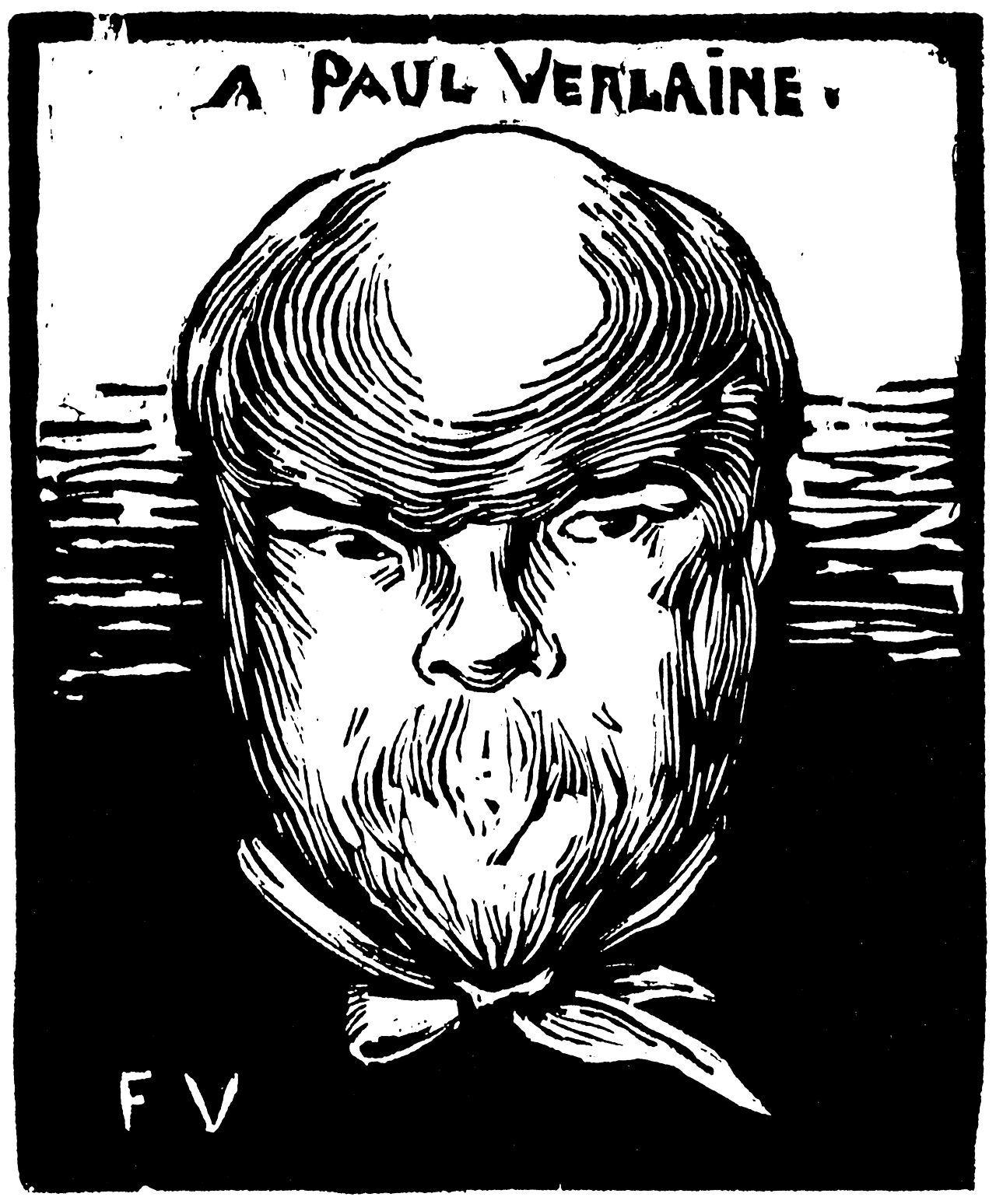
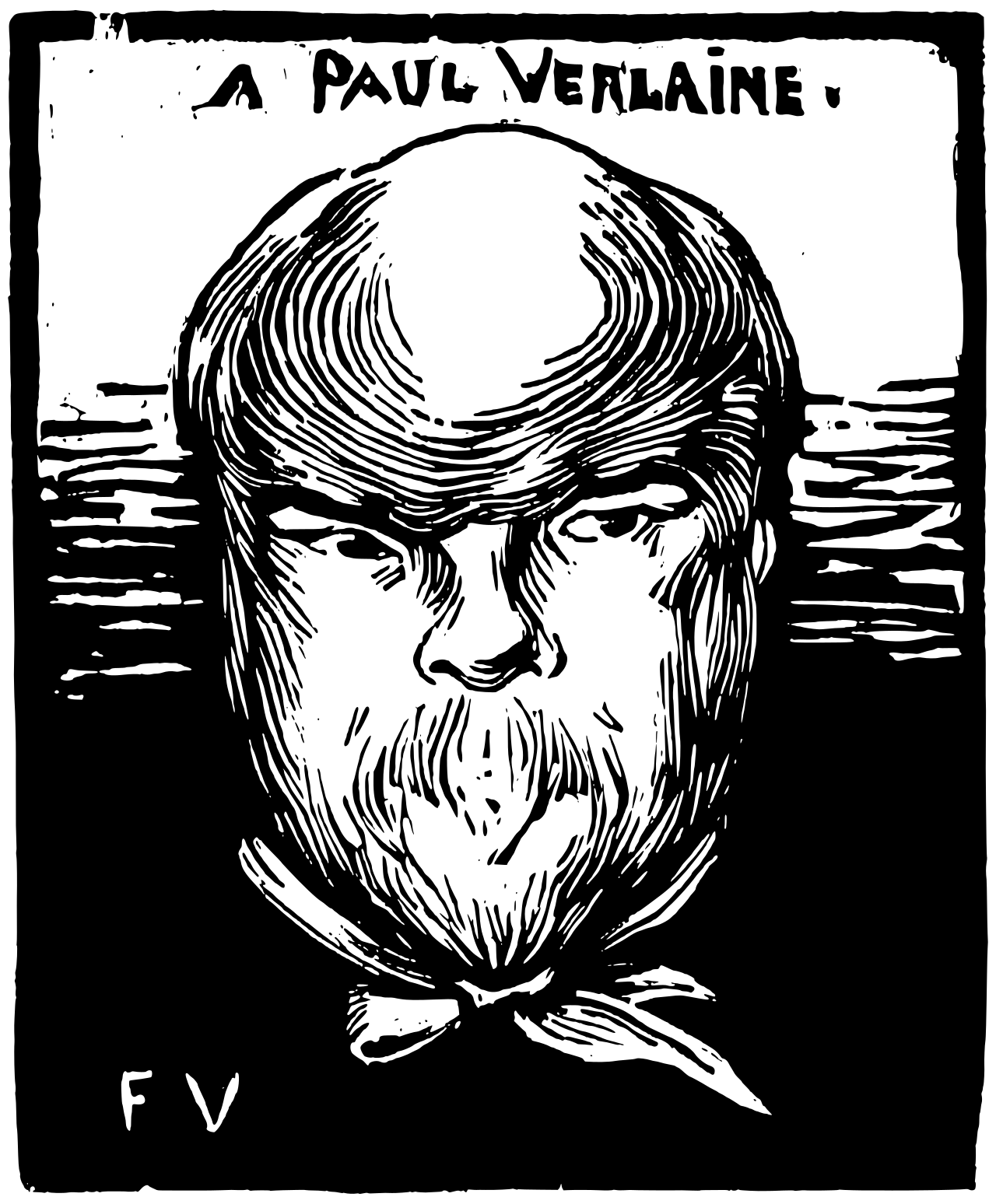
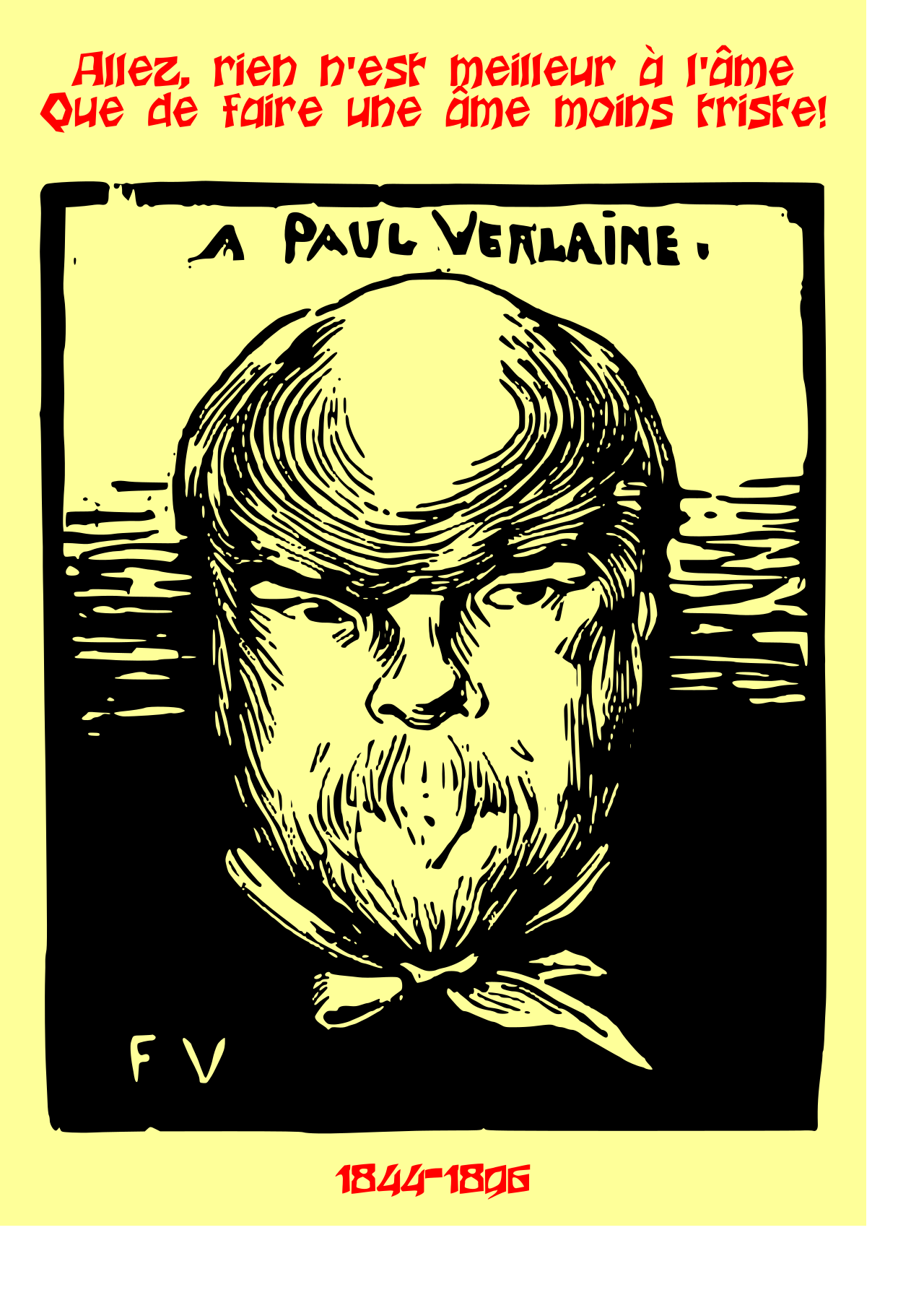
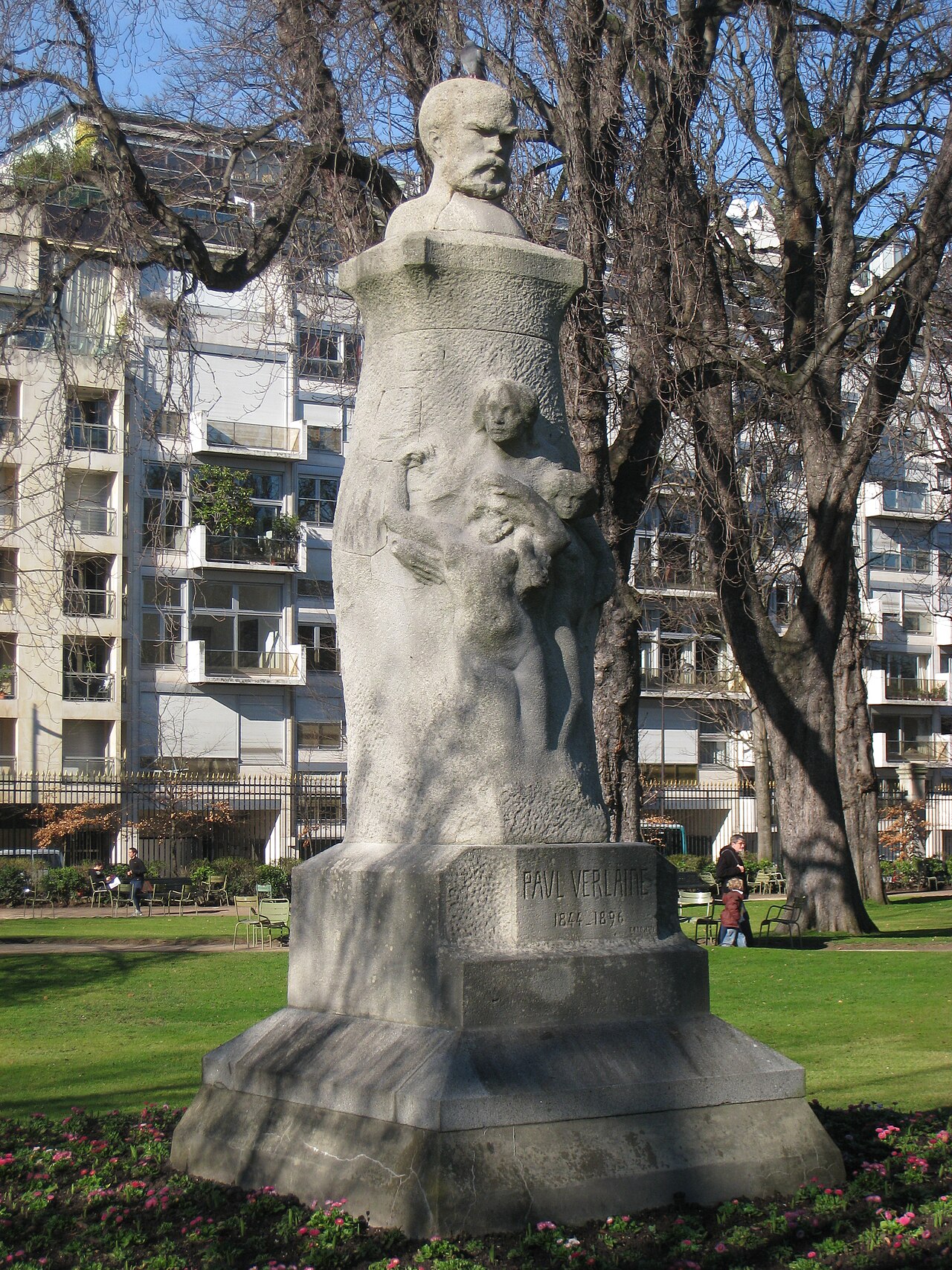
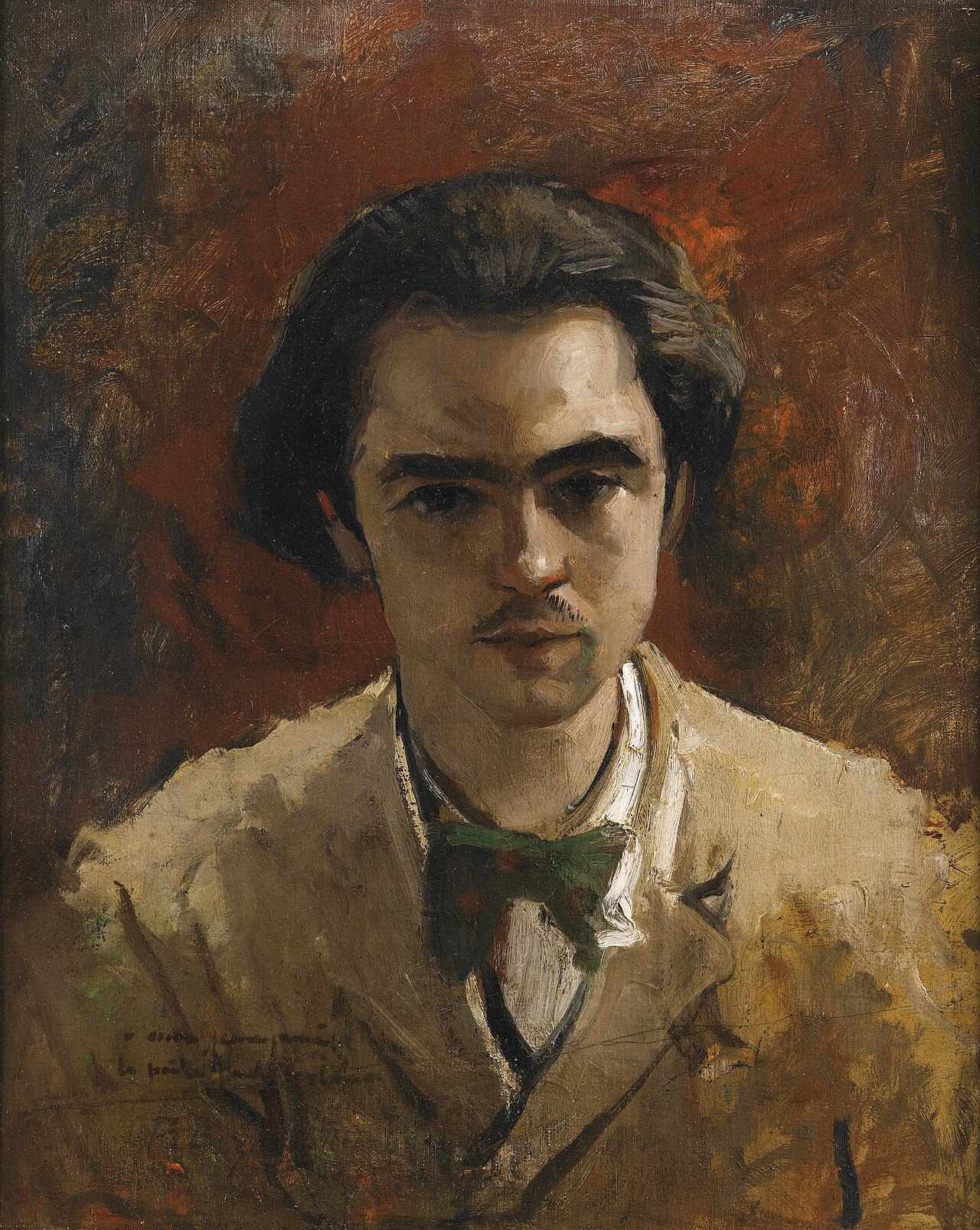
Frequently Asked Questions
Who is Paul Verlaine?
Paul Verlaine (1844–1896) was a French poet, writer, and literary critic born in Metz. He is widely regarded as one of the most important voices of the fin de siècle in French poetry, associated with the Symbolist, Parnassian, and Decadent movements.
What is Paul Verlaine best known for?
Verlaine is celebrated for his lyrical musicality and subtle emotional nuance, earning him the title 'Prince of Poets' in 1894. He is also deeply tied to the Symbolist and Decadent movements, and his turbulent partnership with Arthur Rimbaud remains one of the most discussed episodes in literary history.
What does 'poète maudit' mean and why is Verlaine linked to the term?
A 'poète maudit' (accursed poet) refers to a poet whose life and work are shaped by suffering, transgression, or social marginality. Verlaine popularized the phrase in his 1884 preface to Les Poètes maudits, and he is frequently cited as the archetypal example of the concept.
How did Paul Verlaine's relationship with Arthur Rimbaud end?
In July 1873, Verlaine shot Rimbaud in the arm during a violent argument in Brussels, an act that led to his imprisonment for two years. The episode marked the final rupture of their intense partnership and became a defining tragedy in French literary lore.
How did Paul Verlaine die?
Verlaine passed away on 8 January 1896 in Paris, at the age of 51. His final years were marked by chronic alcoholism and poverty, and he died in relative obscurity despite his earlier acclaim.
More in Poets And Lyricists 1-24
Spotted an error? Know more?
This is a living reference — every entry is fact-audited, and reader corrections feed straight into our audit queue. Suggest an edit · See this site's audit record