
Marina Tsvetaeva
Russian poet and writer, frequently referred to by her first name.

Vyacheslav Kirillin · CC BY-SA 4.0
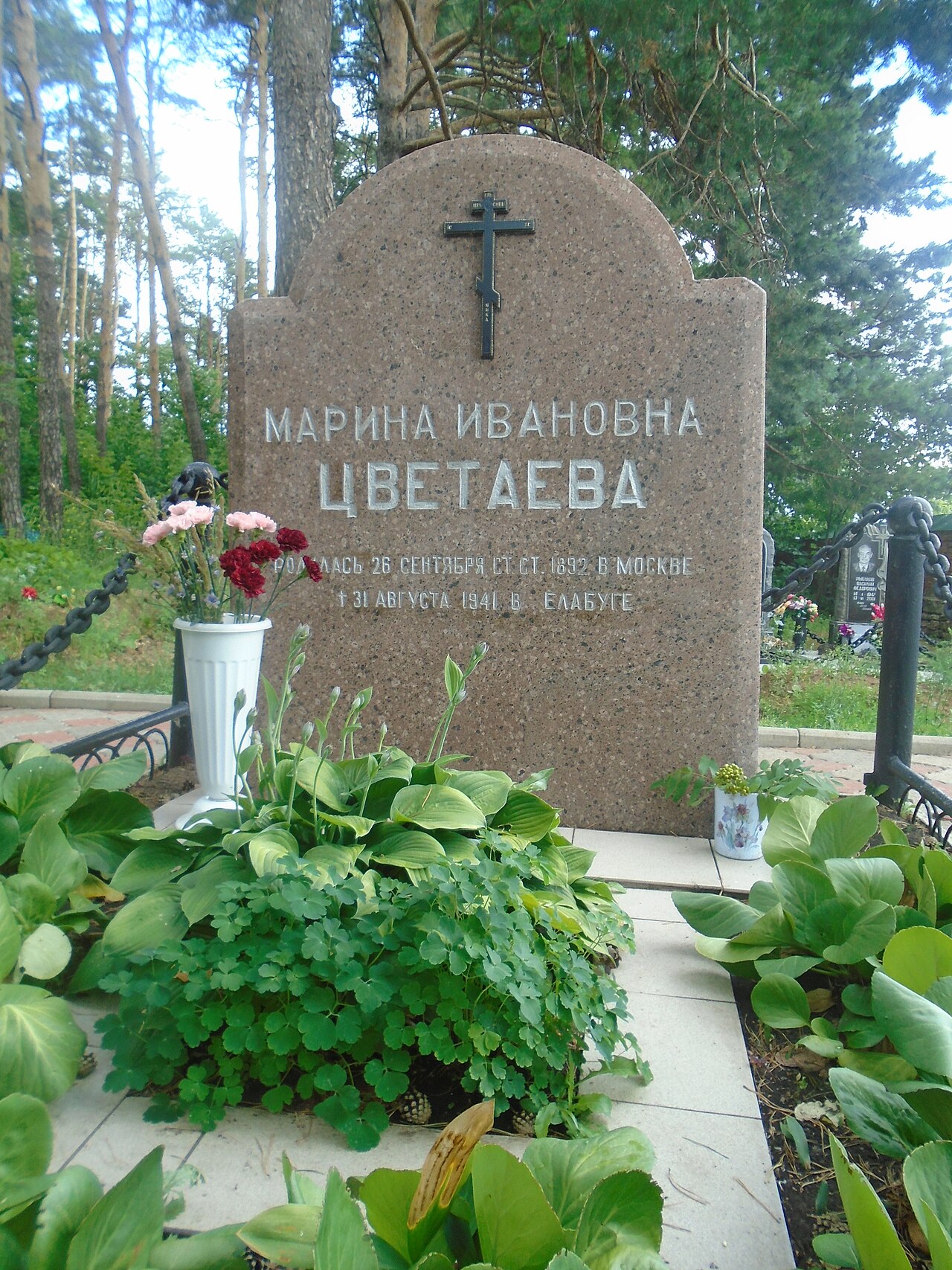
Marina Tsvetaeva (1892–1941) is a Russian poet and writer, frequently referred to by her first name. Her work is among the best known in twentieth-century Russian literature. She lived through and wrote about the Russian Revolution of 1917 and the subsequent Moscow famine, and her poetry chronicled her times and the depths of the human condition.
- born
- 1892
- died
- 1941
- field
- Poetry
- nationality
- Russian
- known_for
- Russian poet and writer, frequently referred to by her first name
Verified Timeline
Lore & Background
Marina Tsvetaeva was born in 1892 and died in 1941. She is a Russian poet and writer, frequently referred to by her first name. Her work is among the best known in twentieth-century Russian literature. She lived through and wrote about the Russian Revolution of 1917 and the subsequent Moscow famine, and her poetry chronicled her times and the depths of the human condition.
Reader's Guide
Marina Tsvetaeva's significance lies in her poetry, which is among the best known in twentieth-century Russian literature. She lived through and wrote about the Russian Revolution of 1917 and the subsequent Moscow famine, and her poetry chronicled her times and the depths of the human condition. Her work is frequently referred to by her first name.
Did You Know?
- Marina Tsvetaeva is frequently referred to by her first name alone.
- Her work is among the best known in twentieth-century Russian literature.
- She lived through and wrote about the Russian Revolution of 1917.
- She also chronicled the subsequent Moscow famine in her poetry.
- Her poetry chronicled her times and the depths of the human condition.
The Name's Ancient Roots
The feminine given name Marina traces its lineage back to the Roman world, where it emerged as the female counterpart of the family name Marinus, itself a variant of the Latin Marius. Scholars have proposed several possible connections for the root meaning. One thread links Marius to Mars, the Roman deity of war, suggesting an original connotation of strength or martial vigor. Another possibility ties it to the Latin word maris, carrying the sense of virility. Over the centuries, the name acquired yet another layer of association: the Latin term marinus, which evokes the sea. This maritime connection gave the name a fluid, expansive quality that resonated across cultures. What began as a Roman family designation thus accumulated multiple symbolic meanings—warrior, sea, virility—making it a name rich with layered associations long before it became a widely used given name across Europe and beyond.
Faith and the Name
Throughout history, the name Marina has been borne by a remarkable constellation of religious and spiritual figures spanning multiple centuries and traditions. In the Roman era, Marina Severa held the position of empress during the years 364 to 370. Centuries later in Spain, the name appeared among Catholic mystics and nuns: Marina de Escobar lived from 1554 to 1633, while Marina de Guevara, a nun, passed in 1559. Marina de la Caballería, a pioneer and noblewoman who died in 1540, represents an earlier Spanish presence. In the twentieth century, Romanian nun Marina Hociotă (1896–1977) carried the name in a monastic context, and in the modern era, Marina Tsvigun, born in 1960, leads a Ukrainian religious sect. The name thus threads through empresses, mystics, martyrs, and nuns alike.
A Name Across the Arts
The breadth of artistic and entertainment figures who carry the name Marina is staggering. In music alone, the list stretches from Japanese singer Marina (born 1987) to Welsh-Greek songwriter Marina Diamandis (born 1985), from Russian interpreter of traditional music Marina Devyatova (born 1983) to American opera singer Marina Gordon (1917–2013). In visual arts, Italian optical painter Marina Apollonio (born 1940), Bolivian sculptor Marina Núñez del Prado (1910–1995), and Australian artist Marina DeBris all bear the name. The performing arts see it in Serbian performance artist Marina Abramović (born 1946), Russian ballet dancer Marina Kondratyeva (1934–2024), and American ballet dancer Marina Eglevsky. In cinema, the name appears in Italian, French, Russian, Mexican, and dozens of other national film traditions. From glass artist Marina Hanser to documentary filmmaker Marina Goldovskaya, the name saturates creative fields worldwide.
A Name Without Borders
What strikes most about the name Marina in its modern usage is its extraordinary geographic and temporal reach. It appears in Japan (Marina Inoue, born 1985; Marina Kawano, born 1990), in Brazil (Marina Lima, born 1955; Marina Amaral, born 1994), in France (Marina de Van, born 1971; Marina Kaye, born 1998), in Russia (Marina Kazankova, born 1981; Marina Kifferstein, born 1989), in Spain (Marina Comas, born 1996; Marina Gatell, born 1979), and in dozens of other nations. Temporally, the name spans from the fourth-century Roman empress Marina Severa to a Russian musician born in 2000 who performs under the name polnalyubvi, and a Serbian singer-rapper born in 2002 known as Zera. The professions attached to the name range from telenovela acting to classical piano, from beauty pageants to experimental music, from glass art to political office. No single culture or era claims the name.
Gallery
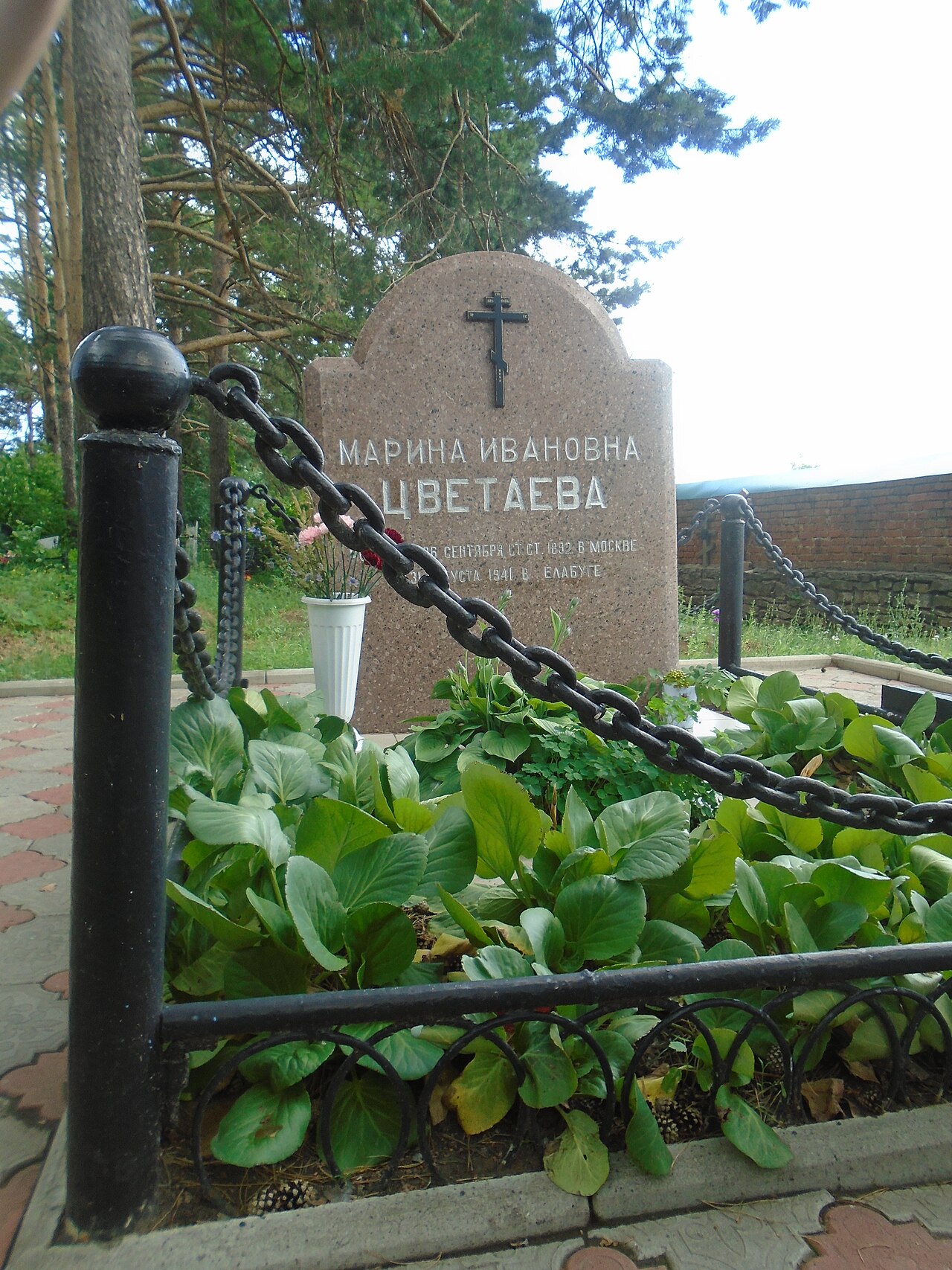
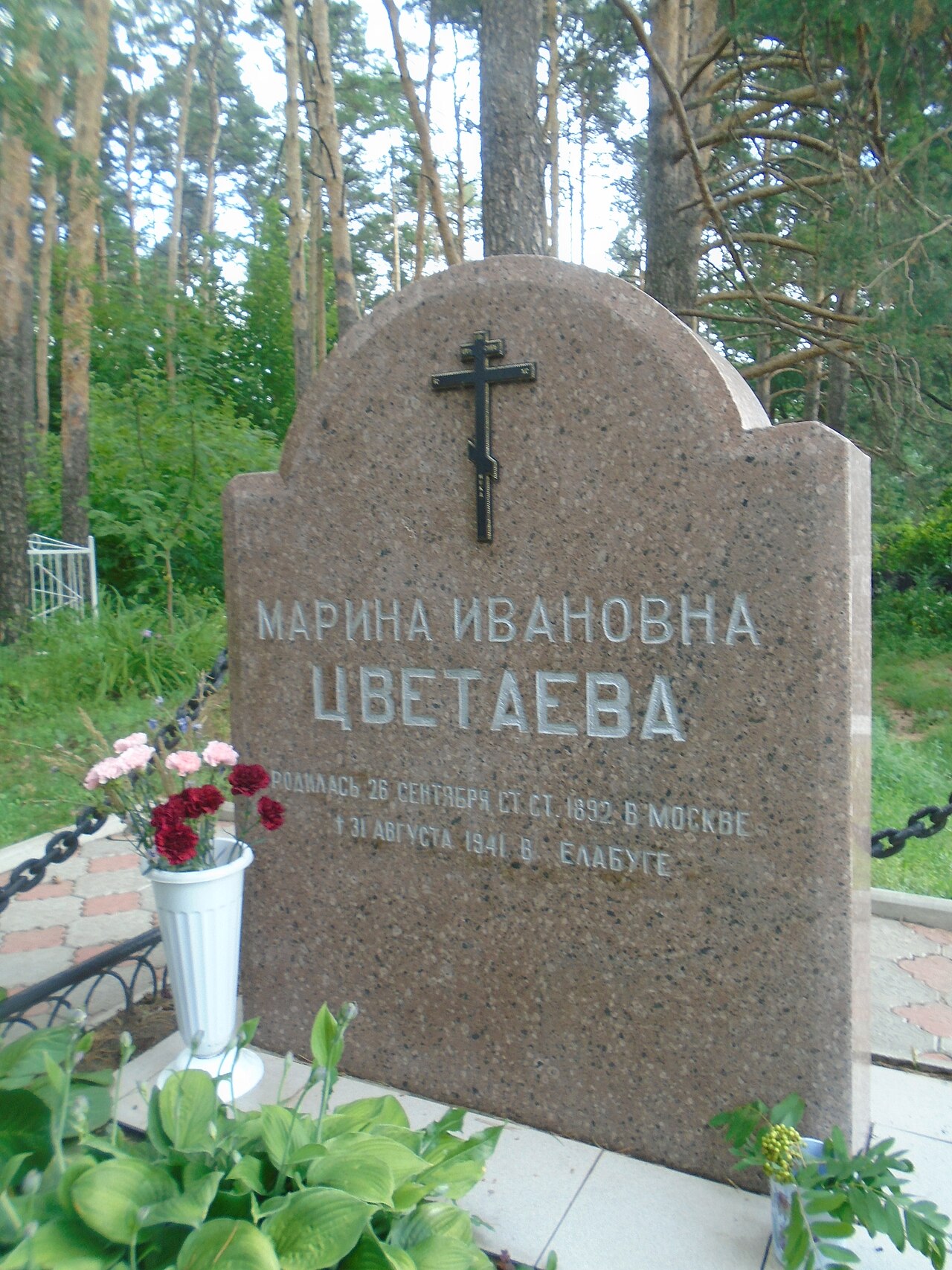
Frequently Asked Questions
Who is Marina Tsvetaeva?
Marina Ivanovna Tsvetaeva (1892–1941) was a Russian poet whose lyrical work ranks among the most celebrated in twentieth-century Russian literature. She is remembered for writing with intense emotional passion and for pushing the boundaries of Russian language through bold linguistic experimentation.
What is Marina Tsvetaeva known for?
She is best recognized for her daring, emotionally charged lyric poetry and for her willingness to break conventional linguistic structures in Russian verse. Her work captures raw human feeling while simultaneously experimenting with form and diction.
How did the Russian Revolution affect Marina Tsvetaeva's poetry?
Tsvetaeva lived through the 1917 Revolution and the devastating Moscow famine that followed, and both events left deep marks on her writing. Her poetry from this period chronicles the upheaval of her era alongside the broader depths of human suffering and resilience.
When was Marina Tsvetaeva born and when did she die?
She was born on 8 October 1892 (Old Style: 26 September) in Russia and died on 31 August 1941. Her life and career spanned a turbulent period that included the fall of the old Russian order and the early Soviet years.
Why is Marina Tsvetaeva important to Russian literary history?
Her work stands as a defining voice of twentieth-century Russian poetry, blending personal passion with a broader chronicle of national catastrophe. She is regarded as a poet who gave the Russian language a new emotional and structural daring that continues to shape how verse is written and read.
More in Poets And Lyricists 1-24
Elsewhere in the Poets And Lyricists universe
Spotted an error? Know more?
This is a living reference — every entry is fact-audited, and reader corrections feed straight into our audit queue. Suggest an edit · See this site's audit record