
Robert Burns
Scottish poet and lyricist, national poet of Scotland.

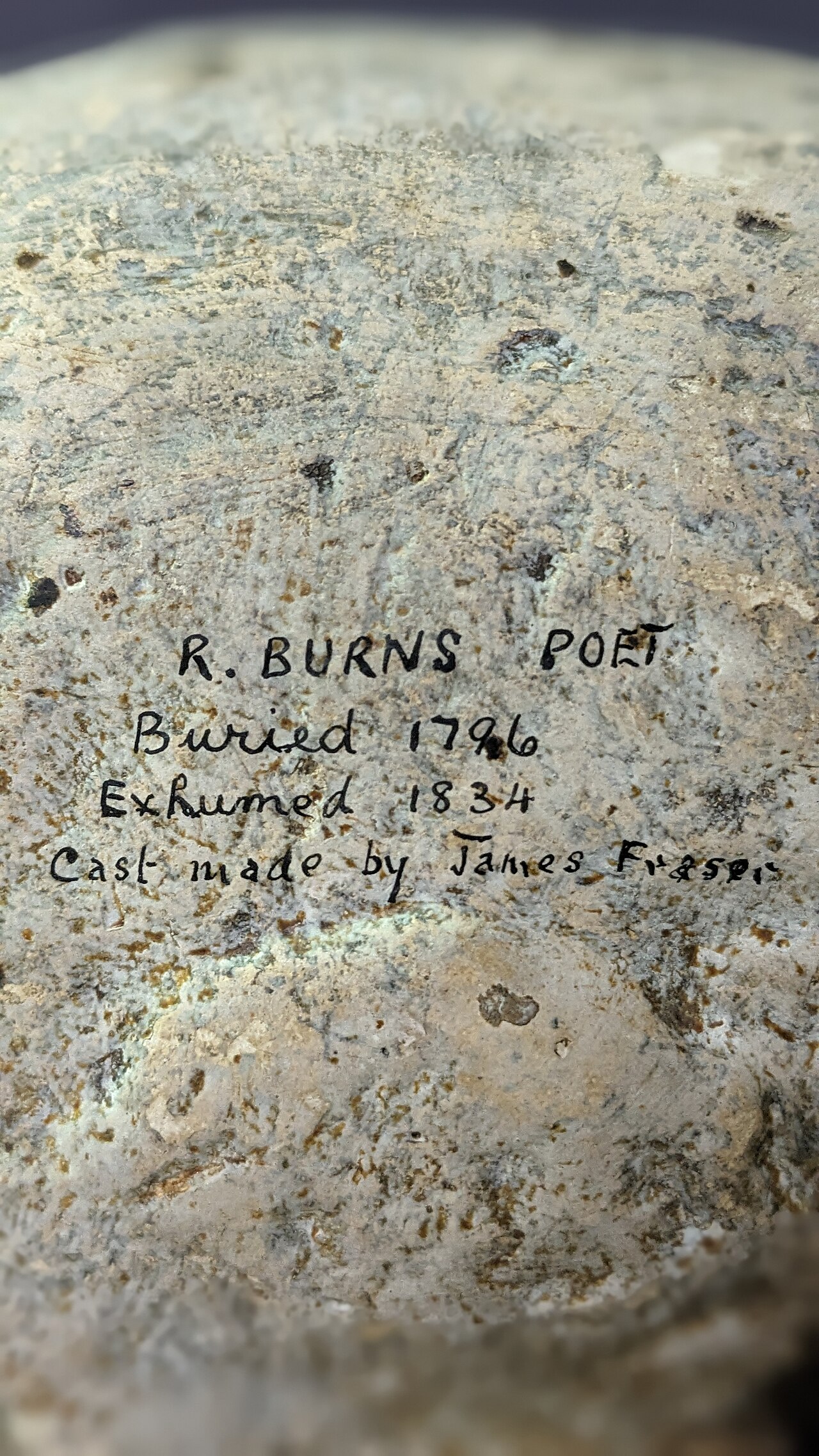
Malcolm MacCallum, Anatomical Museum in Edinburgh , Scotland. · CC BY-SA 4.0
Robert Burns (25 January 1759 – 21 July 1796), also known familiarly as Rabbie Burns, was a Scottish poet and lyricist. He is widely regarded as the national poet of Scotland and is celebrated worldwide. He is the best known of the poets who have written in the Scots language, although much of his writing is in a 'light Scots dialect' of English, accessible to an audience beyond Scotland. He also wrote in standard English, and in these writings his political or civil commentary is often at its bluntest. He is regarded as a pioneer of the Romantic movement, and after his death he became a great source of inspiration to the founders of both liberalism and socialism, and a cultural icon in Scotland and among the Scottish diaspora around the world.
- born
- 25 January 1759
- died
- 21 July 1796
- field
- Poet and lyricist
- nationality
- Scottish
- known_for
- National poet of Scotland; pioneer of the Romantic movement; poems and songs inc
Lore & Background
Robert Burns was born on 25 January 1759 in Alloway, Ayrshire, two miles south of Ayr, the eldest of seven children of William Burnes and Agnes Broun. He was baptised on 26 January 1759 in the Auld Kirk of Ayr. He lived in the cottage built by his father until Easter 1766, when the family moved to the 70-acre Mount Oliphant farm. There he grew up in poverty and hardship, and by age 15 he was the principal labourer. His education was irregular: his father taught him reading, writing, arithmetic, geography, and history, and wrote 'A Manual of Christian Belief' for his children. From 1765 to 1768, teacher John Murdoch taught him Latin, French, and mathematics. He attended Dalrymple Parish School in mid-1772, and later lodged with Murdoch for three weeks to study grammar, French, and Latin. During the harvest of 1774, Nelly Kilpatrick inspired his first attempt at poetry, 'O, Once I Lov'd A Bonnie Lass'. In 1775, he studied with a tutor at Kirkoswald. At Whitsun 1777, the family moved to the 130-acre farm at Lochlea near Tarbolton. He was initiated into the Masonic lodge St David, Tarbolton, on 4 July 1781. In December 1781 he moved to Irvine to learn flax-dressing, but the shop burned down during New Year celebrations. He met Richard Brown there, who encouraged him to become a poet. After his father's death in 1784, Robert and Gilbert moved to Mossgiel Farm near Mauchline in March 1785. He became involved with Jean Armour, who became pregnant with twins in March 1786. He signed a paper attesting his marriage to Jean, but her father tore it up. He also fell in love with Mary Campbell, who died of typhus on 20 or 21 October 1786. Facing financial difficulties, Burns accepted a job offer from Patrick Douglas to work as a book-keeper on sugar plantations near Port Antonio, Jamaica, a position he described as 'a poor Negro driver.' To raise funds, Gavin Hamilton suggested he publish his poems by subscription. On 31 July 1786, John Wilson published 'Poems, Chiefly in the Scottish dialect' (the Kilmarnock volume), selling for 3 shillings.
Reader's Guide
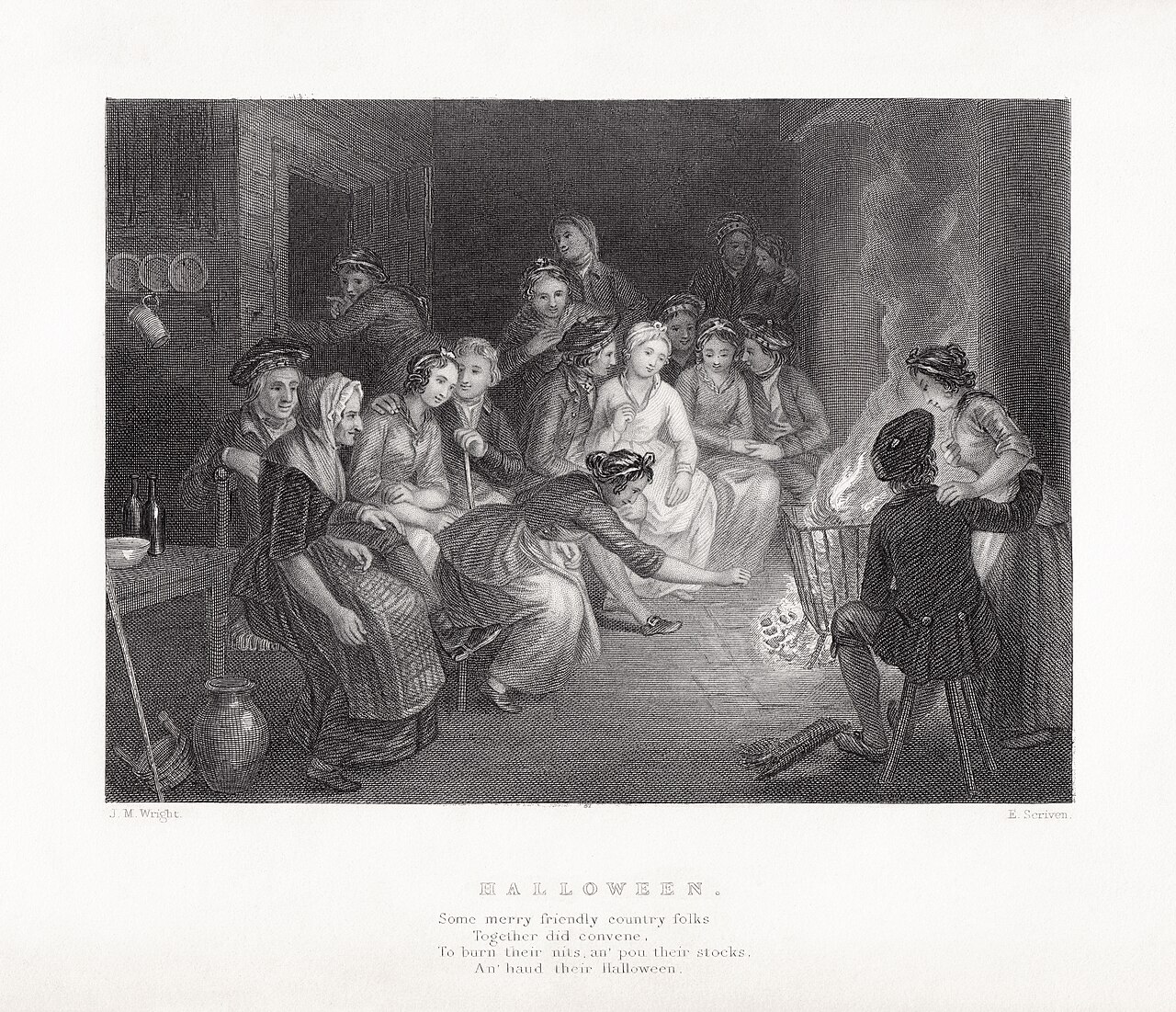
Robert Burns is significant as the national poet of Scotland and a pioneer of the Romantic movement. His work includes original compositions and collected folk songs from across Scotland, often revised or adapted. His poem and song 'Auld Lang Syne' (1788) is often sung at Hogmanay, and 'Scots Wha Hae' (1793) served for a long time as an unofficial national anthem. Other well-known works include 'Halloween' (1785), 'To a Mouse' (1785), 'To a Louse' (1786), 'The Battle of Sherramuir' (1787), 'Tam o' Shanter' (1790), 'Ae Fond Kiss' (1791), 'A Red, Red Rose' (1794), and 'A Man's a Man for A' That' (1795). After his death, he became a great source of inspiration to the founders of both liberalism and socialism, and a cultural icon in Scotland and among the Scottish diaspora. Celebration of his life and work became almost a national charismatic cult during the 19th and 20th centuries, and his influence has long been strong on Scottish literature. In 2009, he was chosen as the greatest Scot by the Scottish public in a vote run by Scottish television channel STV. His authorship of 'The Slave's Lament', a 1792 poem argued as an example of his abolitionist views, is disputed. His name is absent from any abolitionist petition written in Scotland during the period, and according to academic Lisa Williams, Burns 'is strangely silent on the question of chattel slavery compared to other contemporary poets.'
Did You Know?
- Robert Burns was baptised on 26 January 1759, the day after he was born, in the Auld Kirk of Ayr by minister William Dalrymple.
- He was initiated into the Masonic lodge St David, Tarbolton, on 4 July 1781, when he was 22.
- Burns accepted a job offer to work as a book-keeper on sugar plantations near Port Antonio, Jamaica, a position he described as 'a poor Negro driver.'
- His first child, Elizabeth 'Bess' Burns, was born to his mother's servant, Elizabeth Paton.
- Mary Campbell, with whom Burns exchanged Bibles and plighted their troth over the Water of Fail on 14 May 1786, died of typhus on 20 or 21 October 1786.
Literary Voice and the Scots Tradition
Robert Burns stands as the most celebrated poet working in the Scots language, though much of his output is written in a lighter dialect of English that made his work accessible well beyond Scotland's borders. He also composed in standard English, and it was in those pieces that his political and civil commentary reached its sharpest edge. Beyond original compositions, Burns devoted himself to gathering folk songs from across Scotland, frequently revising or adapting them into new forms. His catalogue of enduring works includes "Auld Lang Syne" (1788), traditionally sung at Hogmanay, and "Scots Wha Hae" (1793), which long served as an unofficial national anthem. Other pieces that have crossed into global recognition include "Halloween," "To a Mouse," "To a Louse," "Tam o' Shanter," "Ae Fond Kiss," "A Red, Red Rose," and "A Man's a Man for A' That." His range spans the humorous, the tender, and the fiercely political, cementing his place as the best-known voice in Scots literary history.
A Childhood Forged in Poverty and Labor
Burns entered the world on 25 January 1759 in a cottage his father had built in Alloway, Ayrshire, the eldest of seven children. His father, William Burnes, was a self-educated tenant farmer who provided much of the boy's early instruction in reading, writing, arithmetic, geography, and history, even composing a manual of Christian belief for his children. A young tutor named John Murdoch added Latin, French, and mathematics to the curriculum between 1765 and 1768. Yet the family's circumstances never improved. William Burnes moved the household from farm to farm, and at Mount Oliphant the grueling manual labor left a lasting mark on young Robert's constitution. By fifteen, Burns was the principal laborer on the farm. His father's repeated misfortunes and a legal dispute with a landlord that reached the Court of Session ended with William's death in 1784, just two weeks after the ruling in his favor. The family's subsequent attempts to keep a farm at Mossgiel near Mauchline also failed, pushing Burns toward the desperate decision to accept an overseer position on a sugar plantation in Jamaica.
Romantic Pioneer and Political Icon
After his death in 1796, Burns transcended the boundaries of a single national tradition to become a figure of international cultural significance. He is widely recognized as a pioneer of the Romantic movement, and his work became a wellspring of inspiration for the founders of both liberalism and socialism. In Scotland and across the global Scottish diaspora, he evolved into a cultural icon whose celebration during the nineteenth and twentieth centuries took on the character of a national charismatic cult. His influence on Scottish literature has remained deep and persistent for more than two centuries. In 2009, the Scottish public voted him the greatest Scot in a poll conducted by television channel STV, a testament to how firmly he remains embedded in the national imagination. Songs like "Auld Lang Syne" and "Scots Wha Hae" continue to be performed at Hogmanay and in civic contexts, ensuring that his voice resonates far beyond the literary page.
Social Life, Romance, and the Road to Poet
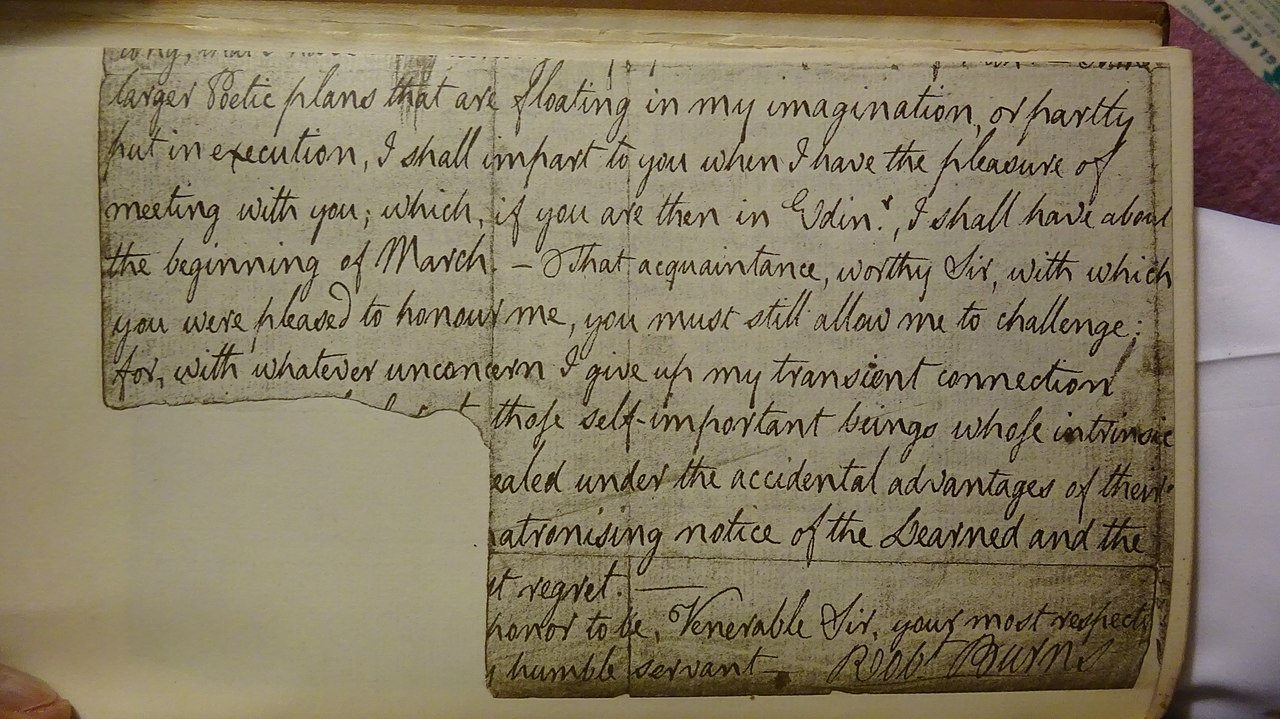
In Tarbolton, Burns's social world expanded considerably. Against his father's wishes, he joined a country dancing school in 1779 and, together with his brother Gilbert, founded the Tarbolton Bachelors' Club the following year. His earliest surviving letters come from this period, when he made romantic overtures to Alison Begbie, writing four songs for her before she turned him down. He was initiated into the Masonic lodge St David in Tarbolton on 4 July 1781. A brief venture as a flax-dresser in Irvine ended when the shop burned down during New Year celebrations in early 1782. Back at Lochlea farm, he befriended Richard Brown, who encouraged him to pursue poetry seriously, and he began a commonplace book in 1783. When the family moved to Mossgiel near Mauchline in 1785, Burns encountered a group of young women known as the Belles of Mauchline, among them Jean Armour, the daughter of a local stonemason. These social and romantic entanglements, set against the backdrop of financial struggle, shaped the personal world from which much of his verse emerged.
Gallery
Frequently Asked Questions
Who is Robert Burns?
Robert Burns (1759–1796) was a Scottish poet and lyricist widely recognized as the national poet of Scotland. He is best known for his songs and poems written in Scots and light Scots dialect, and he is also celebrated as a forerunner of the Romantic movement.
What are Robert Burns's most famous works?
His most well-known pieces include 'Auld Lang Syne,' 'Tam o' Shanter,' and 'A Red, Red Rose.' These works are celebrated worldwide and remain central to Scottish literary identity.
What language did Robert Burns write in?
Burns wrote primarily in Scots and a light Scots dialect of English, making his work accessible to readers beyond Scotland. He also composed in standard English, where his political and civil commentary tends to be at its most direct.
Why is Robert Burns considered important in literary history?
He is regarded as a pioneer of the Romantic movement and the foremost poet associated with the Scots language. His reputation as Scotland's national poet has endured well beyond his lifetime, earning him worldwide recognition.
When did Robert Burns live?
Robert Burns was born on 25 January 1759 and died on 21 July 1796, giving him a lifespan of just 37 years. Despite that short life, he produced a body of poetry and song that continues to be celebrated globally.
More in Poets And Lyricists 25-34
Elsewhere in the Poets And Lyricists universe
Spotted an error? Know more?
This is a living reference — every entry is fact-audited, and reader corrections feed straight into our audit queue. Suggest an edit · See this site's audit record